Best Time to Visit Nusa Lembongan

Nusa Lembongan keeps time by the sea more than by the calendar. Wind, swell and tide decide which days are easy and which are slow, and the seasons change all three. This guide sets out the best time to visit Nusa Lembongan, what each part of the year offers, and what to expect if you are travelling in October.
The short answer
The best time to visit Nusa Lembongan is the dry season, roughly April to October. Skies are clearer, the crossing from Sanur is generally calmer, and the sea is easier to read. The shoulder months of May, June, September and October tend to offer the same weather as July and August with fewer people on the island.
Dry season: April to October
Rain is light and infrequent, and the days are warm with lower humidity than in the wet season. Swell at the island’s reef breaks is more consistent through these months, and boat trips keep to a steadier schedule. July and August are the busiest weeks, when school holidays overlap and rates are at their highest, so book early if those are your dates.
Wet season: November to March
Rain arrives in short, heavy bursts, often in the afternoon, and the island turns green. The sea is rougher, crossings from Sanur can be choppier, and underwater visibility drops for snorkelling. The trade-off is quiet: fewer visitors, slower mornings and generally lower rates. Keep plans flexible, as boats can be delayed or cancelled when conditions turn.
October on Nusa Lembongan
October sits at the end of the dry season. Days are hot and humid, and showers become more likely towards the end of the month and into November. The island is quieter than in July and August, and the water is still warm enough for long swims.
It is also the tail end of mola mola season around Nusa Penida. Sightings are generally possible into October, though they tend to become less reliable as the water warms. Sunset falls at roughly six o’clock, which makes the late afternoon the natural time to be on the water.
Month by month at a glance
- April to June: Dry weather returns, the island is still green from the rains, and crowds are light.
- July and August: The busiest months, with the most settled weather and the highest rates.
- September and October: Dry, warm and quieter. A steady window for sea days and sunsets.
- November to March: Wetter and greener, with rougher seas and fewer visitors.
Mola mola season
The mola mola, or ocean sunfish, visits the waters around Nusa Penida and Nusa Lembongan when cooler water rises from the deep, generally between July and October. Snorkelling and diving trips leave from Nusa Lembongan, and local operators can advise on conditions on the day. Sightings are never guaranteed.
The crossing and the sea
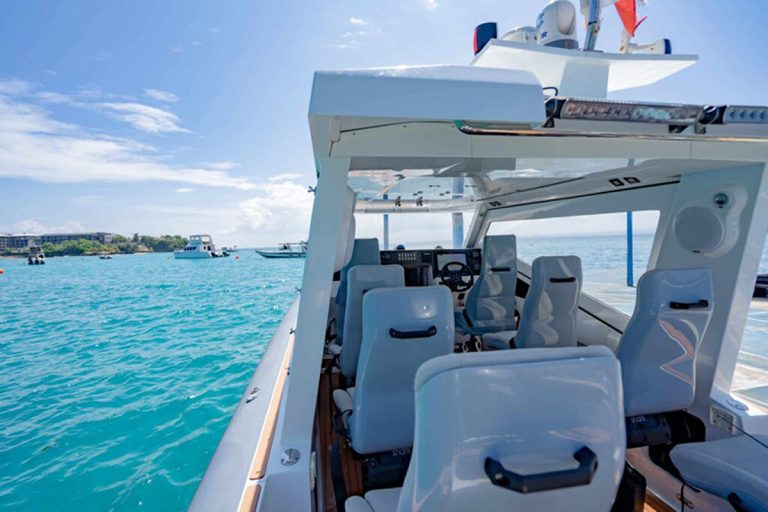
Most visitors arrive by fast boat from Sanur, a crossing of about thirty minutes. In the dry season it is usually calm. In the wet season expect more movement, and leave a buffer if you have a flight to catch on the day you return to the mainland. Our guide to the Sanur to Nusa Lembongan fast boat covers boarding, timing and what to pack.
Where Lago fits
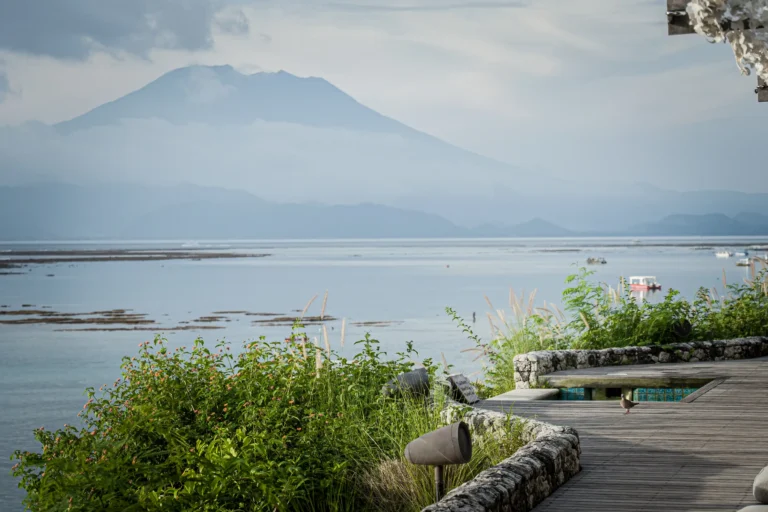
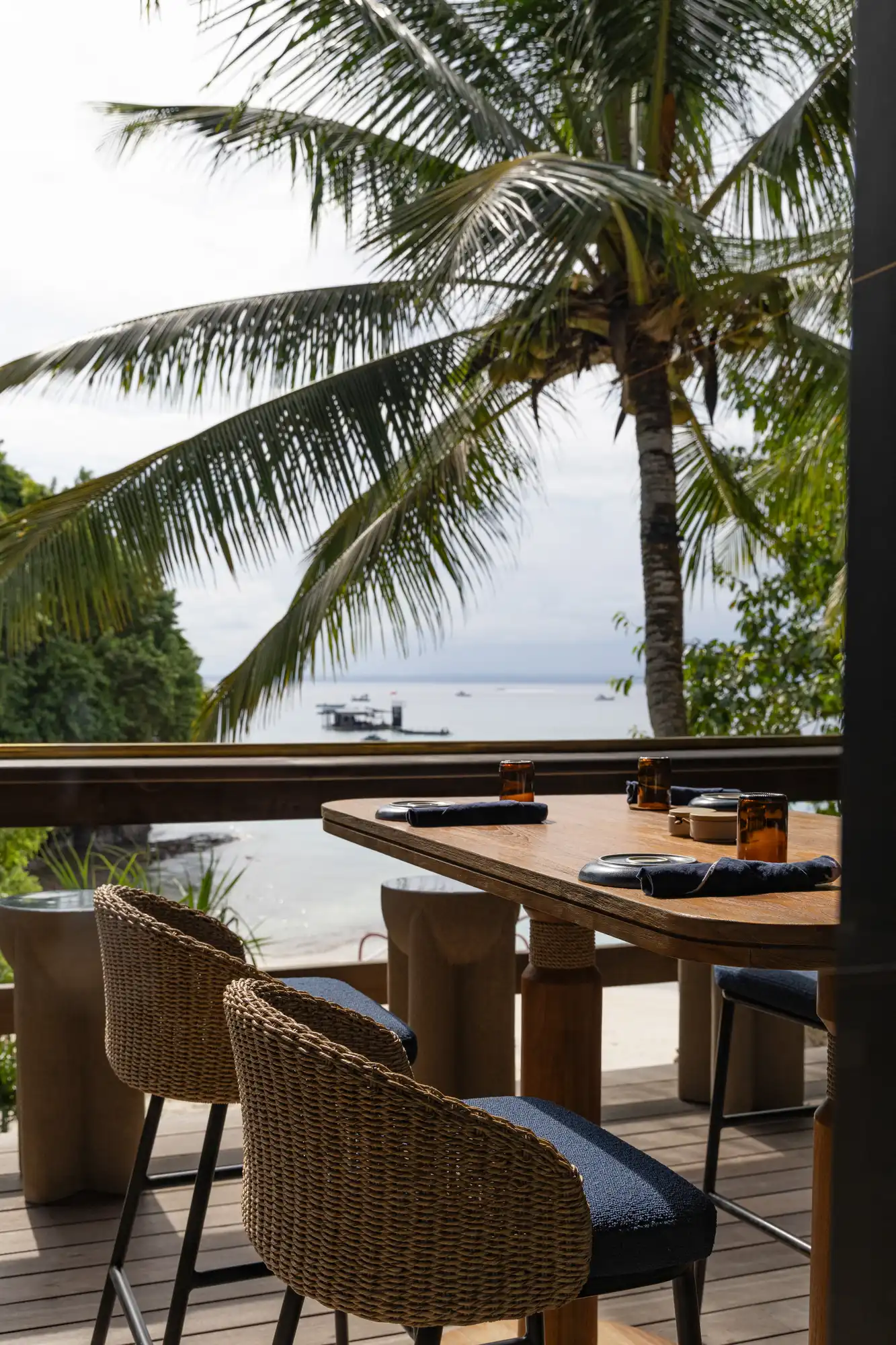
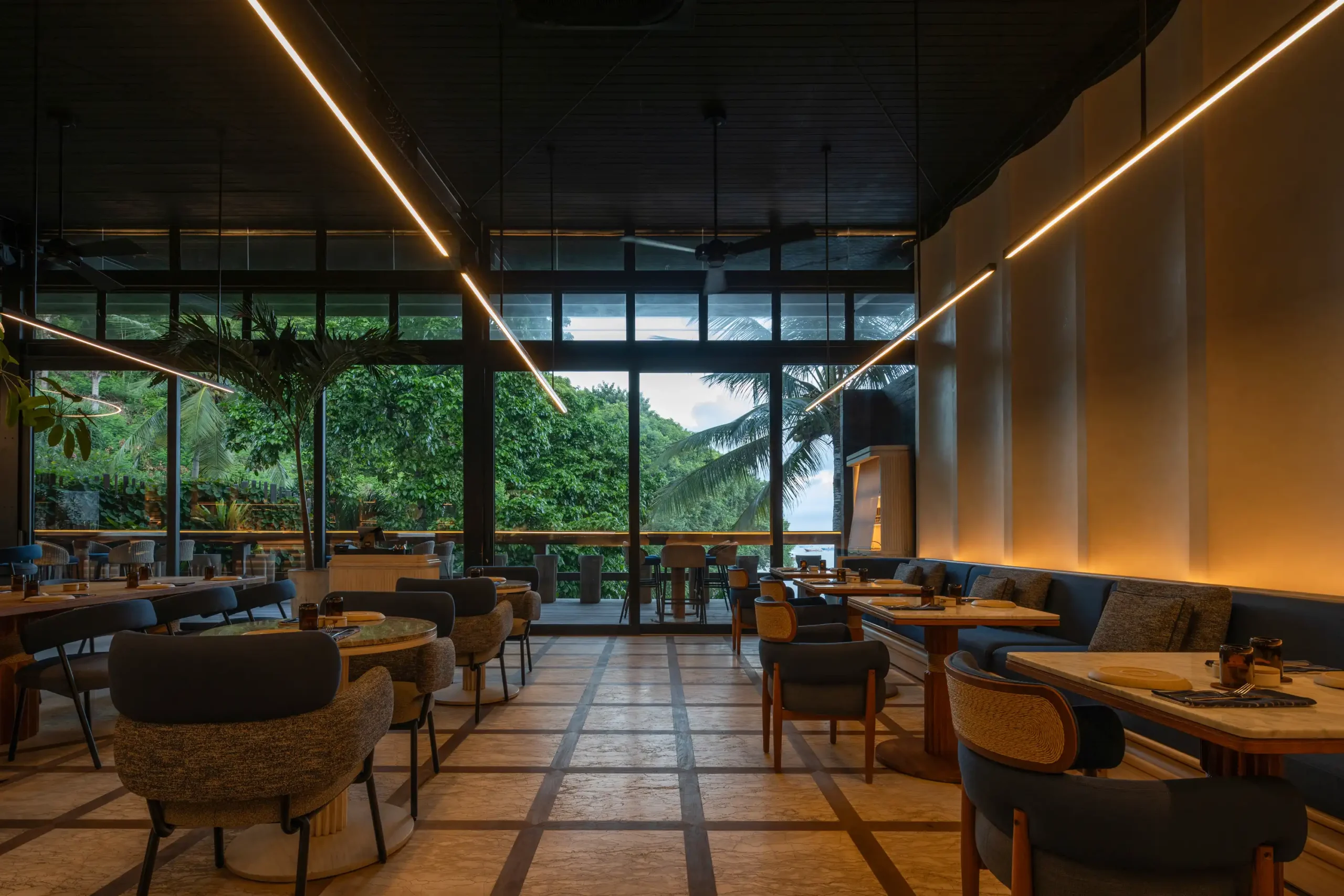
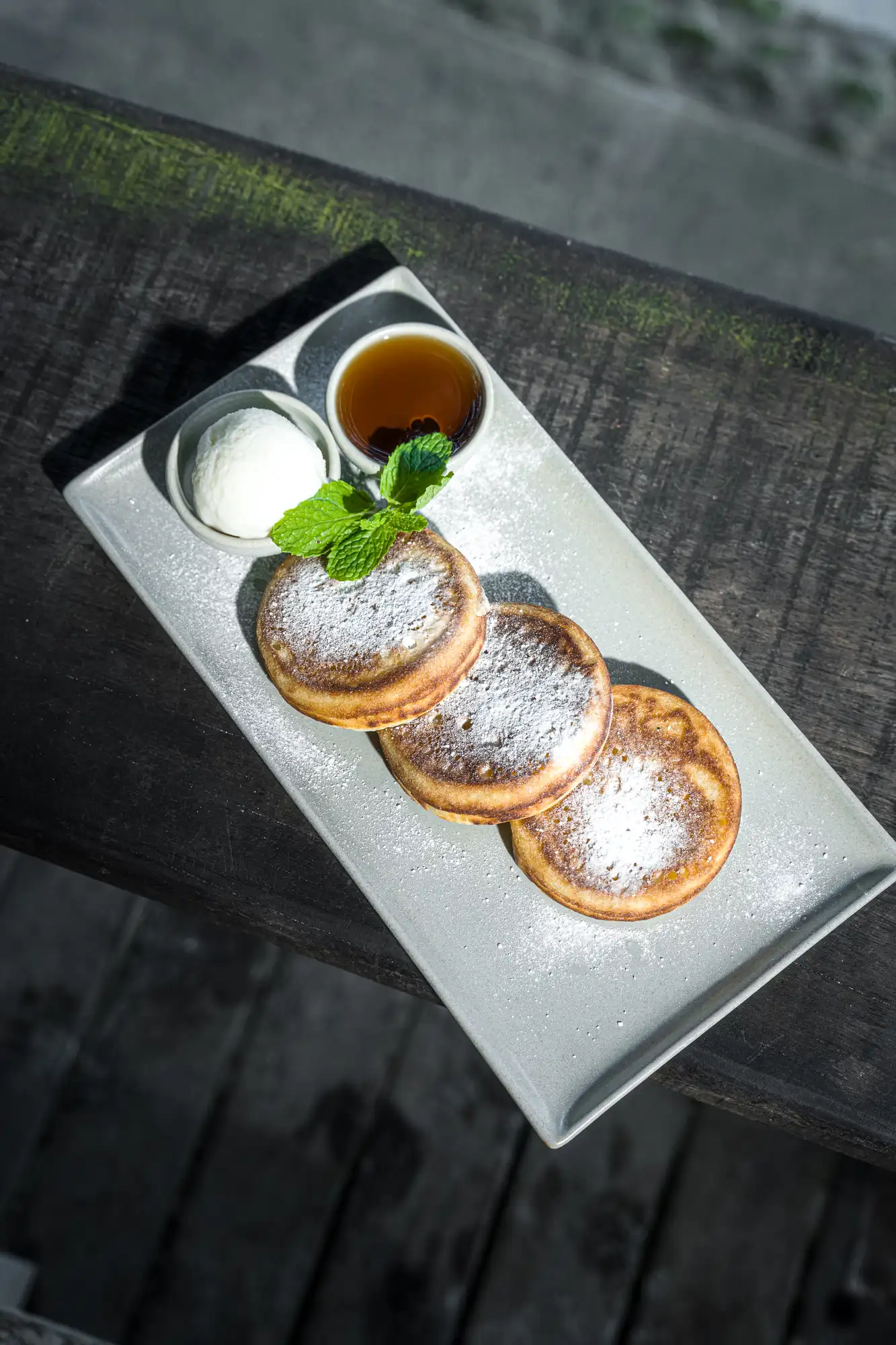
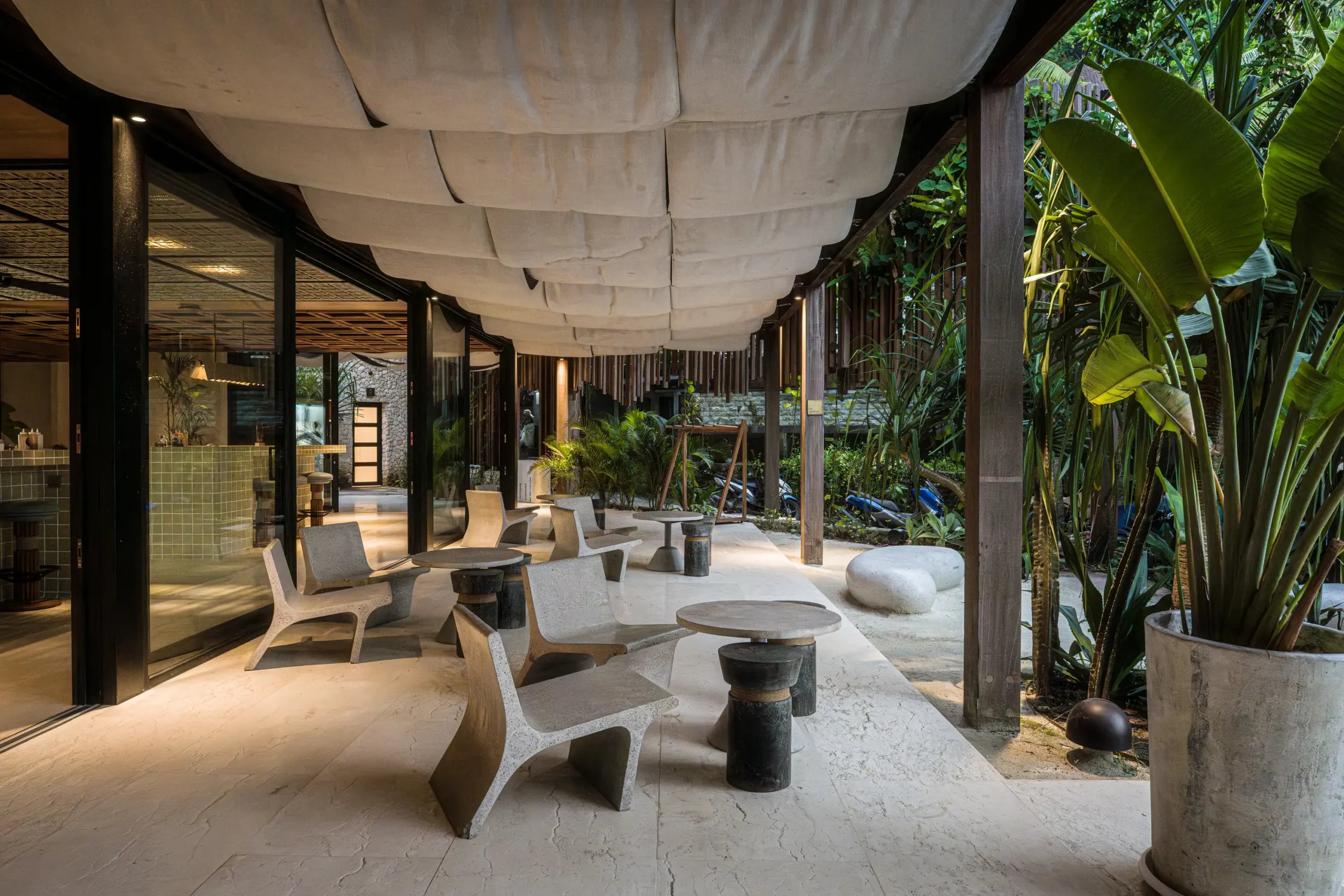
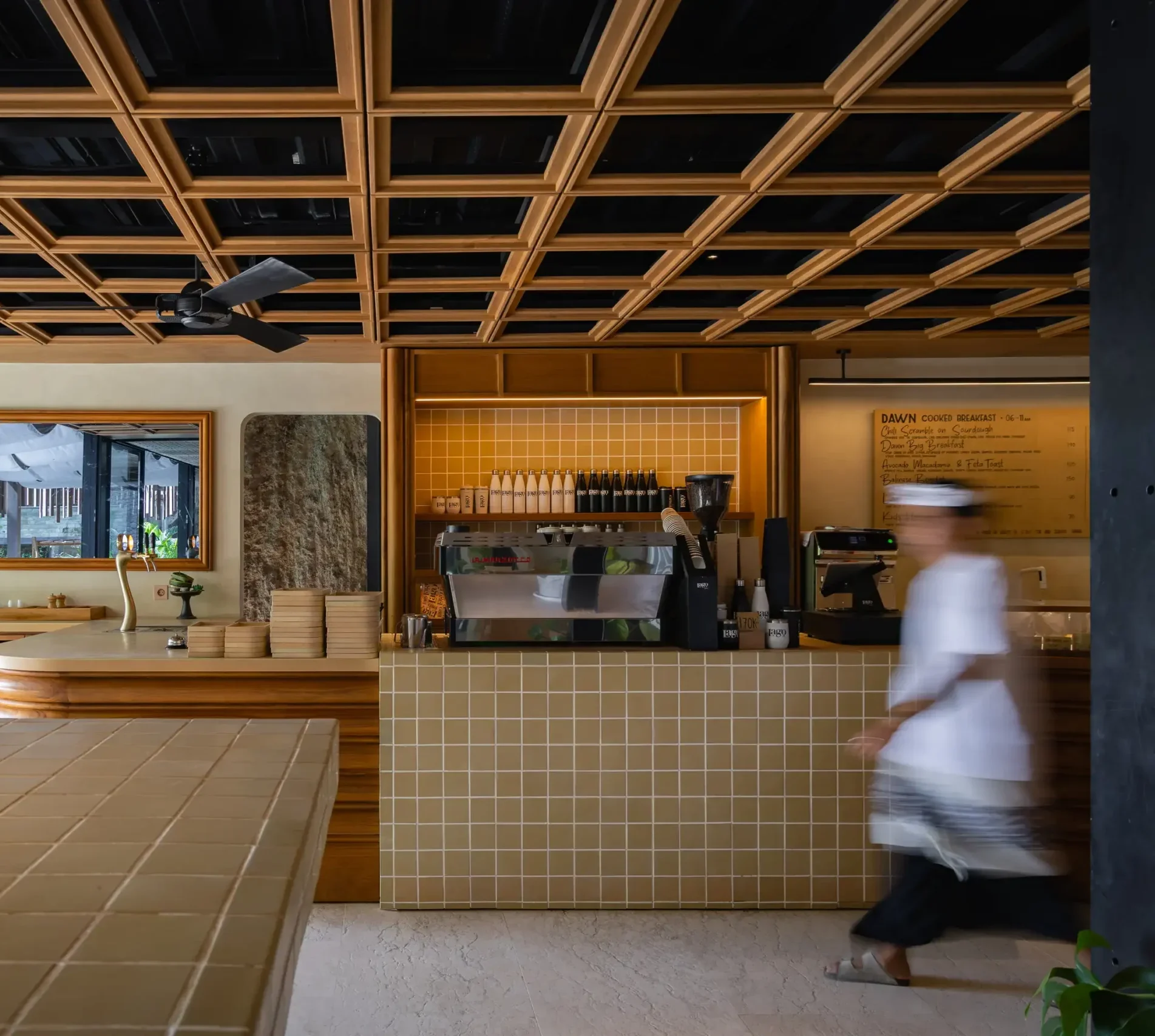
Lago sits in Jungutbatu village, facing the water. In the dry season the evenings are the draw: sunset from The Pontoon, a bar moored over living reef and reached only by boat. In the wet season, the sauna and cold plunge at the Sundeck and a slow morning at Dawn suit the weather. If you are planning your days, our two-day Nusa Lembongan itinerary shows how they fit together.
Frequently asked questions
When is the best time to visit Nusa Lembongan?
The best time to visit Nusa Lembongan is the dry season, roughly April to October. May, June, September and October offer similar weather to July and August with fewer visitors. Is October a good month to visit Nusa Lembongan?
Yes. October is the end of the dry season: warm, mostly dry and quieter than July and August. Showers become more likely late in the month. When is mola mola season?
Generally July to October around Nusa Penida and Nusa Lembongan. Sightings are never guaranteed, and they tend to become less reliable towards the end of the season. Is it worth visiting Nusa Lembongan in the wet season?
It can be, if you value quiet and lower rates. Expect short heavy showers, rougher seas and lower underwater visibility, and keep plans flexible. How rough is the boat from Sanur?
Usually calm in the dry season and choppier in the wet season. Check with your boat operator on the day, and allow a buffer before any onward flight. How many days should I spend on Nusa Lembongan?
Two to three days is enough to see the island properly. Our two-day itinerary is a starting point.
Planning a visit to Nusa Lembongan?
Tell us your dates and we will share what conditions to expect and how to plan your days on the island.Chat with Lago